How to Use Vitamin C Serum in Your Skincare Routine
- 08 Jul, 2026
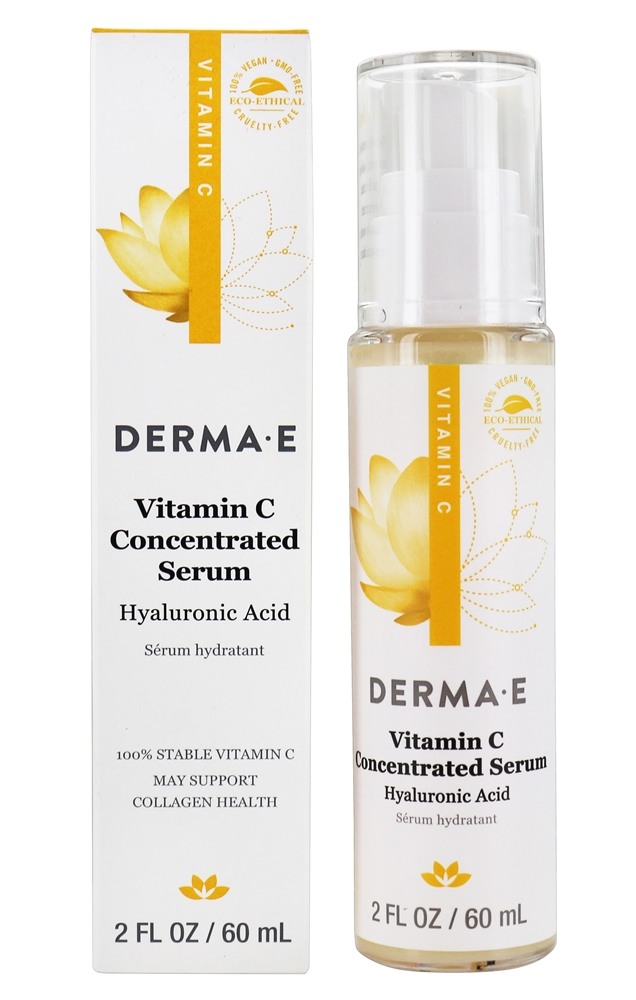
Vitamin C serum has become a regular part of many skincare routines. It is valued as an antioxidant ingredient and is often chosen by people who want a brighter, more even looking complexion. Like any active ingredient, though, it works best when you use it the right way. This guide covers the basics for anyone who is new to it.
What a vitamin C serum is
A serum is a lightweight product with a higher concentration of active ingredients than a typical moisturiser. Vitamin C serums contain a form of vitamin C, most often L-ascorbic acid or a derivative such as sodium ascorbyl phosphate or ascorbyl glucoside. Derivatives are generally gentler and more stable, while L-ascorbic acid is the form most associated with the ingredient.
Some serums combine vitamin C with other ingredients, such as vitamin E, ferulic acid or hyaluronic acid. You can compare different formulas in our serum category.
How to fit it into your routine
Many people prefer to use vitamin C in the morning, because antioxidants are thought to complement sunscreen during the day. A simple morning routine could look like this:
- Cleanse with a gentle face wash and pat your skin dry.
- Apply the serum. A few drops are usually enough for the face and neck. Press it gently into the skin rather than rubbing hard.
- Moisturise once the serum has settled.
- Finish with sunscreen. This step matters most of all. A serum is not a replacement for SPF.
If you also use retinol or exfoliating acids, many people find it more comfortable to keep vitamin C for the morning and the other actives for the evening, rather than layering them all at once.
Patch testing and sensitive skin
Vitamin C can cause tingling, redness or dryness, especially in stronger formulas or on sensitive skin. Before using a new serum on your face, try a small amount on a patch of skin, such as behind the ear or on the inner arm, for a few days.
If your skin is sensitive, start slowly by using the serum every other day and building up. A lower strength or a gentler derivative may suit you better. Stop using it if you notice ongoing irritation, and speak to a pharmacist or doctor if a reaction does not settle.
Storage and common mistakes
Vitamin C is sensitive to light, heat and air, which is why it is often sold in dark glass bottles or airless pumps. To get the most from your serum:
- Close the cap tightly after every use.
- Store it somewhere cool and out of direct sunlight, not on a sunny windowsill.
- Check the label for how long the product lasts once opened.
- Notice changes in colour. Many vitamin C serums darken as they oxidise, and a strong change can be a sign the product is past its best.
Other common mistakes include using far more than needed, expecting overnight results and skipping sunscreen. Skincare changes tend to be gradual, so consistency is more useful than a heavy hand.
If you are curious to try one, the DERMA-E Vitamin C Concentrated Facial Serum is one example from our range. For other skin topics, you might also like our post on whether argan oil is good for skin.