How to Store Vitamins and Supplements the Right Way
- 27 Nov, 2025
Most people think carefully about which vitamins to buy, but very few think about where the bottle lives once it comes home. Storage matters more than it seems. Heat, light, air and moisture can all affect supplements over time, and a product kept in the wrong place may not stay in good condition until its best before date.
The good news is that storing supplements well takes very little effort. Here is a practical guide.
Why storage makes a difference
Vitamins and supplements are made to stay stable for a set period under normal conditions. Those conditions are usually described on the label as a cool, dry place away from direct sunlight. When products are kept somewhere warmer, damper or brighter, some ingredients can break down faster.
A few common examples:
- Moisture can make tablets crumble, powders clump and capsules stick together.
- Heat can soften softgels and speed up changes in oils such as fish oil.
- Light can affect sensitive nutrients, which is one reason many supplements come in dark or opaque containers.
- Air reaches the contents every time the lid is opened, so a tightly closed container helps.
The best and worst places to keep supplements
The bathroom cabinet is one of the most popular spots, yet it is often one of the least suitable. Steam from showers and baths raises humidity and temperature several times a day. The windowsill and the shelf above the kettle or cooker have similar problems.
Better choices include:
- A kitchen cupboard away from the oven, hob and dishwasher
- A drawer in a bedroom or hallway that stays at room temperature
- A dedicated box or organiser on a shelf out of direct sunlight
Whatever you choose, keep supplements out of the sight and reach of children. Gummies and chewables in particular can look like sweets, and some nutrients, such as iron, can be harmful to children in larger amounts.
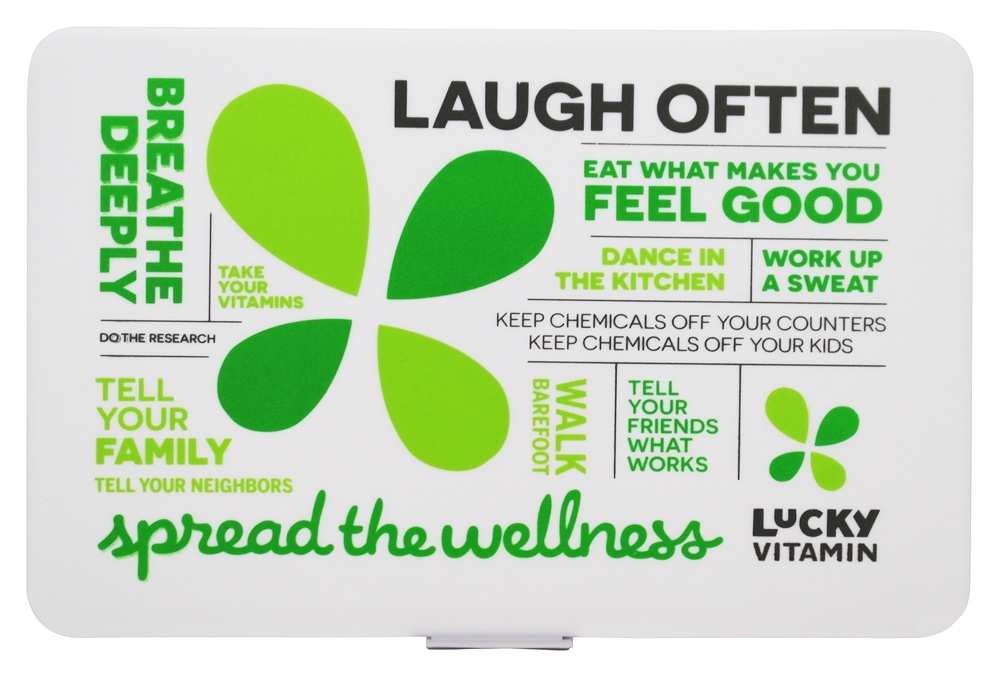
If you take several products, an organiser can make storage tidier and help you keep track of what you have. The LuckyVitamin Large Vitamin and Pill Organizer Chest is one example. Keep in mind that taking tablets out of their original packaging removes them from the protection and information it provides, so only fill daily compartments a week or so in advance.
Should vitamins go in the fridge?
Only if the label says so. Some probiotics, certain liquid vitamins and some oils carry a refrigeration instruction, often once opened. Most tablets and capsules do not need it, and moving them in and out of a cold fridge can create condensation inside the container.
Follow the storage advice printed on each product. When in doubt, ask a pharmacist or check with the manufacturer.
Everyday habits that help
- Keep the lid tightly closed after every use.
- Leave the small desiccant sachet in the bottle if one is included, but never swallow it.
- Use dry hands and a dry spoon for powders.
- Check best before dates when you buy and again before you use a product.
- Do not buy far more than you can use before the date runs out.
- Throw away products that change colour, smell unusual or look damaged, and follow local advice on disposing of medicines and supplements.
A tidy, cool and dry storage spot keeps your vitamins in the condition the manufacturer intended. It also makes it easier to see what you are taking, which is useful to share with your doctor or pharmacist, especially if you also take prescription medication.