Fish Oil, Krill or Algae? Choosing an Omega-3 Supplement
- 09 Mar, 2026
Omega-3 fatty acids are among the most popular supplements on the market. Many people take them because they eat little oily fish, while others simply want to round out their diet. Walk down the supplement aisle, though, and you will find fish oil, cod liver oil, krill oil and plant based algae oil side by side. They are not identical, so it helps to know what sets them apart.
A quick word on EPA, DHA and ALA
When people talk about omega-3 supplements they usually mean two fatty acids: EPA and DHA. These are found mainly in oily fish and seafood. A third omega-3, ALA, comes from plant foods such as flaxseed, chia seeds and walnuts. The body can convert some ALA into EPA and DHA, but only in small amounts, which is why many supplements focus on EPA and DHA directly.
When you compare products, look at how much EPA and DHA each serving provides, not just the total amount of oil. Two capsules of the same size can contain very different amounts.
The main sources compared
Fish oil is the most common type. It is usually made from small oily fish and is widely available in capsules and liquids. Concentrated versions contain more EPA and DHA per capsule, which can mean fewer capsules a day.
Cod liver oil comes from the liver of cod rather than the whole fish. As well as omega-3, it naturally contains vitamins A and D. That can be useful, but it also means you should check your total intake if you take other products containing these vitamins. Pregnant women in particular should speak to a doctor or midwife before taking it, because of the vitamin A content.
Krill oil is made from small crustaceans. It typically comes in smaller capsules and has a natural red colour. It is not suitable for people with a shellfish allergy.
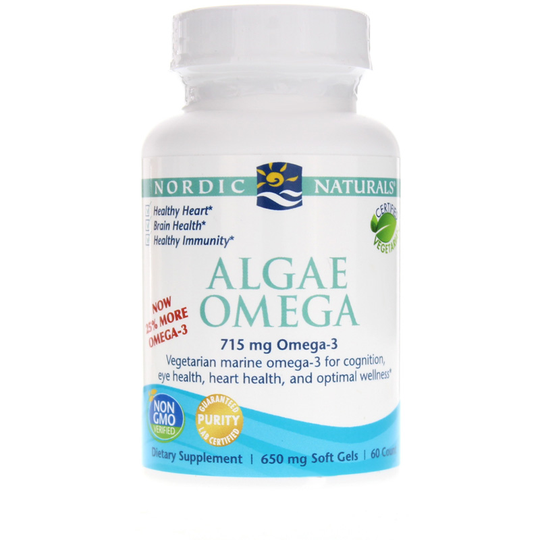
Algae oil is a plant based source of EPA and DHA. Fish actually get much of their omega-3 from algae in their diet, so algae oil goes straight to the original source. It suits vegetarians and vegans and people who prefer to avoid fish. Nordic Naturals Algae Omega is one example of this type.
What to check before you buy
- EPA and DHA per serving. This tells you more than the total oil content.
- Serving size. Some products list a dose of two or three capsules.
- Format. Capsules are convenient, while liquids can suit people who dislike swallowing pills.
- Suitability. Check for fish, shellfish and gelatin if you have allergies or dietary preferences.
- Freshness. Oils can go off. Check the best before date, keep the product cool and closed, and discard anything that smells strongly rancid.
You can compare a range of omega-3 products from one well known brand in our Nordic Naturals category.
Talk to a professional first if needed
Omega-3 supplements are widely used, but they are not right for everyone in every situation. Speak to your doctor or pharmacist before starting one if you take blood thinning medication, have a bleeding disorder, are about to have surgery, are pregnant or breastfeeding, or have a fish or shellfish allergy.
And remember that supplements work alongside a balanced diet, not instead of it. If you enjoy oily fish such as salmon, mackerel or sardines, including them in your meals is a simple way to get omega-3 from food.